

Search for acne home remedies and you will find hundreds of kitchen-cupboard fixes. A few have some research behind them. Many have none, and some can irritate or damage your skin. This guide goes through the most common remedies honestly, then covers the over-the-counter ingredients that have much stronger evidence, and when it is time to stop self-treating.
Key takeaways
- Tea tree oil (around 5%) and green tea lotion have modest evidence for mild acne, while honey and aloe on their own have little.
- Toothpaste, lemon or lime juice and baking soda can irritate or burn the skin and leave dark marks, so skip them.
- Benzoyl peroxide, salicylic acid and adapalene 0.1% are far better studied, and pharmacists in Singapore can supply adapalene 0.1% for acne to people aged 12 and over.
- Give any treatment 8 to 12 weeks, and use a non-comedogenic moisturiser and sunscreen alongside it.
- See a doctor for painful lumps or cysts, scarring, no improvement after two to three months, or acne that affects your mood.
First, what acne actually is
Acne starts in the hair follicle. Excess oil, dead skin cells that do not shed properly, acne bacteria and inflammation combine to form blackheads, whiteheads, red bumps and deeper cysts. Hormones, genetics, some medicines and certain products can all play a part. Our article on the main causes of acne explains this in more detail.
That matters for home remedies: something only works if it reduces oil, unclogs pores, calms inflammation or limits bacteria. Acne is not caused by “toxins”, so detox drinks and cleanses will not clear it.

Common home remedies: the evidence
Tea tree oil: some evidence
Tea tree oil is one of the better-studied natural options. A small placebo-controlled trial found a 5% tea tree oil gel reduced mild to moderate acne, and an older study comparing it with 5% benzoyl peroxide found it worked more slowly but with fewer side effects. The studies are small, though, and the oil can cause irritation and allergic contact dermatitis.
If you try it: use a ready-made product of around 5% or dilute it properly. Never apply the neat essential oil to your face. Patch test on your inner arm first.
Green tea applied to the skin: some evidence
Green tea contains polyphenols with anti-inflammatory effects. A few small trials of a 2% green tea lotion reported fewer spots, and reviews of the research describe the results as promising but limited. It is gentle, so it is a reasonable addition, not a replacement for proven treatments.
Honey: little evidence
Honey has antibacterial properties and is used on wounds, so it seems logical for acne. However, a randomised trial published in BMJ Open found that adding medical-grade kanuka honey to a routine did not improve acne more than antibacterial soap alone. A honey mask is unlikely to harm most people, but do not expect it to clear spots.
Aloe vera: helpful as a soother, weak on its own

Aloe gel can feel soothing, and one trial found that combining aloe gel with a prescription retinoid gave better results than the retinoid alone, possibly by reducing irritation. There is little evidence that aloe clears acne by itself. Choose a plain, fragrance-free gel if you use it.
Ice for swollen spots: fine for comfort
Holding an ice cube wrapped in a clean cloth against a painful, swollen spot for a minute or so can briefly ease redness and soreness. It does not treat the acne itself. Never put ice directly on the skin for long.
Toothpaste, lemon juice and baking soda: skip them
- Toothpaste contains ingredients such as flavourings, detergents and sometimes whitening agents that can irritate and burn facial skin.
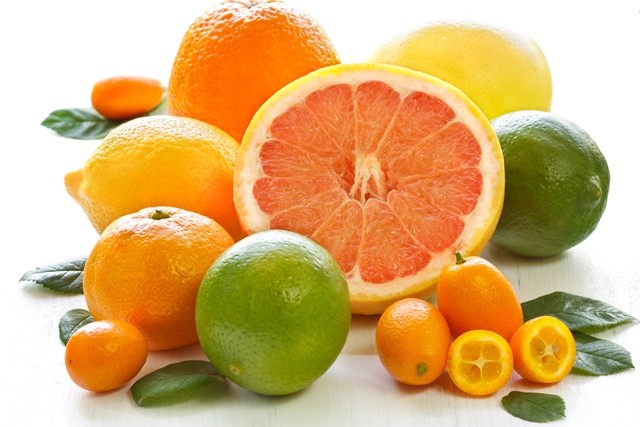
- Lemon and lime juice are very acidic and can sting and irritate. Citrus juice on skin that is then exposed to sun can also cause a blistering reaction and dark marks, which is a real risk in Singapore’s strong sunshine.
- Baking soda is alkaline and disrupts the skin’s natural barrier, leaving it dry and irritated, which can make acne look worse.
Steaming: not needed
Steam does not “open” pores or draw out dirt in any meaningful way, and long or very hot steaming can aggravate redness. A gentle cleanser does the job.
Diet tweaks: a modest role
Some studies link high-glycaemic diets (lots of sugary drinks, white bread, white rice and sweets) and, less consistently, milk, especially skimmed milk, to worse acne in some people. Swapping some refined carbohydrates for wholegrains, vegetables and protein is healthy anyway and may help a little. Diet alone rarely clears acne, and there is no need to cut out whole food groups without advice.
Over-the-counter ingredients that actually have evidence
If you want to treat mild acne at home, these ingredients have far more research behind them than kitchen remedies. You will find most of them at pharmacies in Singapore.
| Ingredient | What it does | Things to know |
|---|---|---|
| Benzoyl peroxide (2.5% to 10%) | Kills acne bacteria and helps unclog pores | Start with a low strength; can dry skin and bleach towels and pillowcases. Available over the counter in Singapore. |
| Salicylic acid (0.5% to 2%) | Exfoliates inside the pore; good for blackheads and whiteheads | Widely sold in cleansers and leave-on products; can be drying. |
| Adapalene 0.1% | A retinoid that prevents clogged pores and reduces inflammation | In Singapore it is a prescription medicine, but pharmacists can supply the 0.1% gel or cream for acne to people aged 12 and over without a prescription. Expect some dryness at first. Not for use in pregnancy. |
Give any of these 8 to 12 weeks of regular use before judging them, use a non-comedogenic moisturiser alongside, and wear sunscreen. Our article asking whether creams and ointments really cure acne goes into what to expect from topical treatments.
When to stop self-treating
Home care is reasonable for occasional or mild spots. See a doctor if:
- you have painful, deep lumps or cysts
- spots are leaving scars or dark marks
- there is no improvement after two to three months of consistent over-the-counter treatment
- acne appears suddenly in adulthood, or comes with irregular periods or excess hair growth
- it is affecting your mood or confidence
Prescription creams, oral medicines and in-clinic procedures work well and lower the risk of scarring. Our guide to acne treatments in Singapore outlines the options. Once your skin is calmer, these tips on how to prevent acne breakouts can help keep it that way.
Frequently Asked Questions
What is the best home remedy for acne?
Of the natural options, diluted tea tree oil (around 5%) has the most evidence, but it is still modest. For more reliable results, over-the-counter benzoyl peroxide, salicylic acid or adapalene are better choices.
Can I get rid of a pimple overnight?
Not completely. Ice can reduce swelling briefly and a benzoyl peroxide spot treatment can help it settle faster. For a large, painful spot before an important event, a doctor can inject a small amount of steroid to bring it down quickly.
Does toothpaste dry out pimples?
It may dry the surface, but it often irritates the skin and can leave redness or dark marks. It is better to use a proper spot treatment. If spots have already left marks or pitted scars, our guide to acne scar treatments for each scar type explains what works.
Is drinking more water a cure for acne?
Staying hydrated is good for your general health, but there is no good evidence that drinking extra water clears acne.
Related: how to get rid of teenage pimples
Sources
- Enshaieh S et al. The efficacy of 5% topical tea tree oil gel in mild to moderate acne vulgaris: a randomized, double-blind placebo-controlled study. Indian J Dermatol Venereol Leprol, 2007.
- Semprini A et al. Randomised controlled trial of topical kanuka honey for the treatment of acne. BMJ Open, 2016.
- American Academy of Dermatology: 10 skin care habits that can worsen acne
- HealthHub Singapore: Acne (reviewed January 2026)